Is the solution to America’s aluminum crunch hiding in landfills?
Advanced sorting technologies and stronger state recycling policies can help recover more scrap metal to meet U.S. aluminum demand, experts say.
By Maria Gallucci, Canary Media, 19 October 2026
A global supply shortage and U.S. tariffs have roiled the aluminum market this year, putting greater pressure on the United States to produce more of its own metal. Plans to build or reopen giant smelters are moving forward, but they all hinge on securing huge amounts of cheap power — at a time when data centers are chasing every last electron.
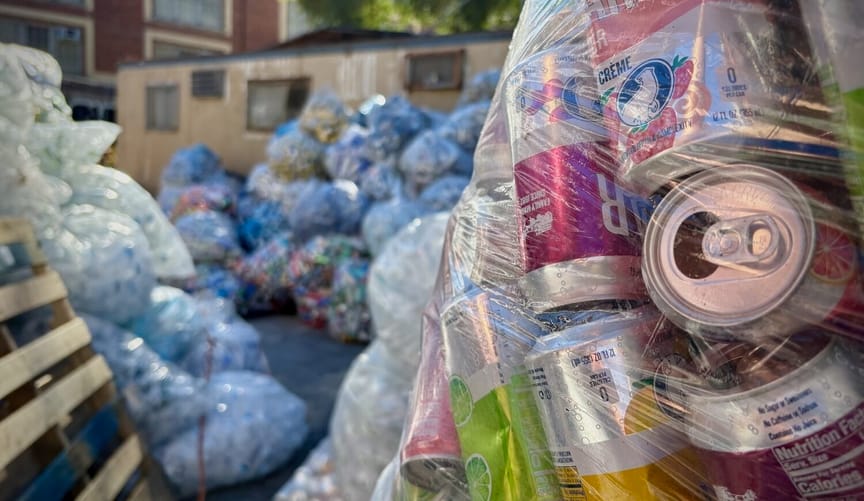
Recycling aluminum, on the other hand, uses only 5% of the energy needed to make virgin metal in smelters, and the U.S. has an abundance of scrap. The problem is that millions of tons of it still wind up in landfills, owing to the country’s spotty recycling policies and the logistical headache of salvaging high-quality aluminum scrap.
As U.S. demand grows for the versatile metal — for soda cans, solar panels, lightweight cars, power cables, and data centers — policy experts are pushing states and the federal government to adopt measures that can boost aluminum recycling rates and reduce the country’s dependence on imported and smelter-made metal.
“It’s a secure supply chain issue,” said Joe Quinn, executive director of the Center for Strategic Industrial Materials at SAFE, a think tank that published a report this month on America’s aluminum deficit.
“There are environmental benefits all day long,” he said of recycling. “But I need the metal back in the market.”
A major reason why so much aluminum winds up as waste is that mechanical recycling systems aren’t up to the task.
____________________________________________________
Daily energy and environment updates. Free 30-day subscription
Is the solution to America’s aluminum crunch hiding in landfills? Read More »