AI boosts speed of creating solid oxide electrolysis cells, advancing efficient hydrogen production

By SeoulTech

As countries invest in green hydrogen to decarbonize heavy industry, transportation, and energy systems, researchers are seeking faster ways to accelerate the development of hydrogen technologies. Solid oxide electrolysis cells are among the most efficient systems for producing green hydrogen from steam, but identifying their optimal operating conditions requires thousands of computationally intensive simulations, slowing innovation and increasing development costs.

 

Researchers from Korea have now developed an artificial intelligence (AI)-guided optimization framework that dramatically reduces the computational effort needed to optimize solid oxide electrolysis cell (SOEC) operation. By combining high-fidelity computational fluid dynamics (CFD) simulations with an AI-driven active learning framework, the researchers rapidly identified operating conditions that improve hydrogen production efficiency while maintaining the thermal stability required for long-term operation. This paper was made available online on 25 June 2026 and has been published in Volume 303, Part 1, of the journal Applied Thermal Engineering on August 1 2026.

Instead of evaluating every possible operating condition, the AI framework learns from each completed simulation and predicts which operating conditions are most likely to provide valuable new information. This allows researchers to focus computational resources on the most promising operating regions, replacing exhaustive trial-and-error searches with a faster, more data-efficient optimization strategy.

Read the full story here

Daily energy and environment updatesFree 30-day subscription


AI boosts speed of creating solid oxide electrolysis cells, advancing efficient hydrogen production Read More »

Lithium-ion battery recycler, Princeton NuEnergy, lands $50M federal grant

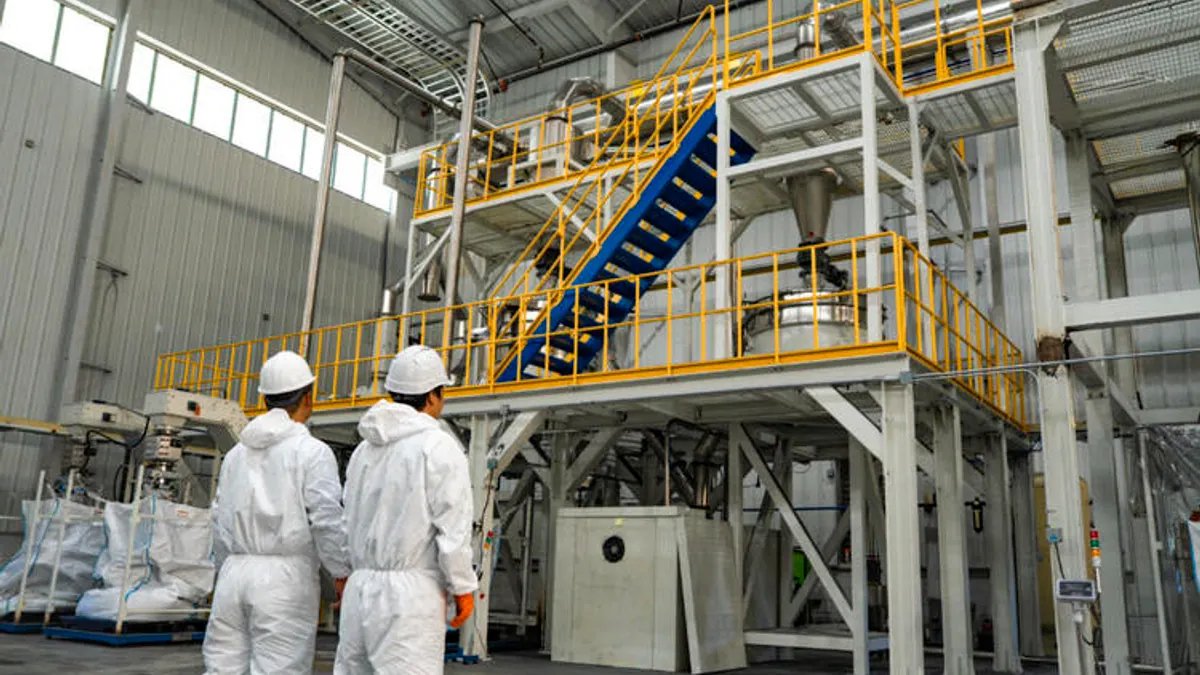
Workers in hard hats look up at equipment inside an industrial facility.
Workers at Princeton NuEnergy’s black mass recycling production facility in South Carolina. The U.S. Department of Energy awarded the company up to $50 million for a new demonstration facility in Georgia for recovering nickel from battery scrap. Courtesy of Princeton NuEnergy

Lithium-ion battery recycler, Princeton NuEnergy, lands $50M federal grant Read More »

Apparently fake public input has promoted fossil fuels while attacking clean energy

Sheep under solar panels

The Ohio Power Siting Board denied a permit application for a project that would have combined solar panels and grazing, like this one in Lancaster, Kentucky. (Jim West/UCG/Universal Images Group via Getty Images)

By Kathiann M. Kowalski, Canary Media, 25 August 2026

A troubling trend has emerged in some communities across the U.S.: Public officials are being inundated with seemingly fake public feedback aimed at blocking renewable energy and promoting fossil fuels.

In Ohio, one of the states grappling with this issue, regulators have done little to crack down on the problem, sparking concern among advocates for clean energy and good government that agencies will keep receiving public comments from people who didn’t authorize them or simply don’t exist.

“If we don’t address it, we’re definitely not going to fix it,” said Catherine Turcer, executive director for Common Cause Ohio, which works to strengthen public participation in U.S. democracy and hold officials accountable to citizens.

Fabricated comments corrupt public decision-making by diluting the impact of genuine people who take the time to share their views, Turcer explained. That’s especially true if officials focus on the number of pro and con comments rather than their substance.

“It skewers the whole process, and you don’t know who to trust,” said Beth Nagusky, an adjunct law professor who has taught at Case Western Reserve University and Cleveland State University and who was previously a utility regulator in Maine.

Read the full story here

_______________________________________________
Daily energy and environment updates
Free 30-day subscription

Apparently fake public input has promoted fossil fuels while attacking clean energy Read More »

Former Maryland coal field now generating solar energy

State policies encourage the development of projects such as the Annapolis Solar Park. (Photo courtesy of the City of Annapolis)

By Hannah Gaskill, Maryland Daily Record

The Maryland Board of Public Works approved an agreement Wednesday to utilize solar energy in a  former  district, representing a fundamental difference in state and federal energy priorities.

“What is indisputable in all this is that clean-energy projects that are ready to go right now are the ones that are also the ones most directly under attack by this federal administration, who is using energy policy like an ideology, who is not allowing data — nor science — to be able to lead the conversation but just simply internet conspiracy theories and talking points,” Gov. , a Democrat, said at an  meeting Wednesday.

The Board of Public Works approved a long-term, $470 million  purchase agreement with REV Renewables, a clean-energy generation and storage company, slated to provide 250,000 megawatt-hours of renewable energy via the Jade Meadow III Solar Project located on the reclaimed Lower Georges Creek Coalfield in .

Moore said the coalfield had been “periodically” used for mining operations since the 1800s but shuttered in the early 2000s, “mainly because of the costs.”

The Jade Meadow III Solar Project is currently active on the PJM Interconnection queue and anticipated to be functional for state energy accounts by 2028. Maryland is one of 13 states connected to PJM’s power grid, which also covers Washington, D.C.

The 20-year power purchase agreement is slated to save the state $300 million and provide enough renewable electricity to power nearly 15% of Maryland’s portfolio starting in 2028, officials said.

During Wednesday’s meeting, Moore said the agreement will help strengthen the grid and lower Maryland’s skyrocketing utility costs. 

Read the full story here

Daily energy and environment updatesFree 30-day subscription

Former Maryland coal field now generating solar energy Read More »

Pennsylvania is a slouch in solar power. Here’s how it can catch up

Pennsylvania’s legislature could do a lot more to speed up renewable-energy adoption, a new report says.


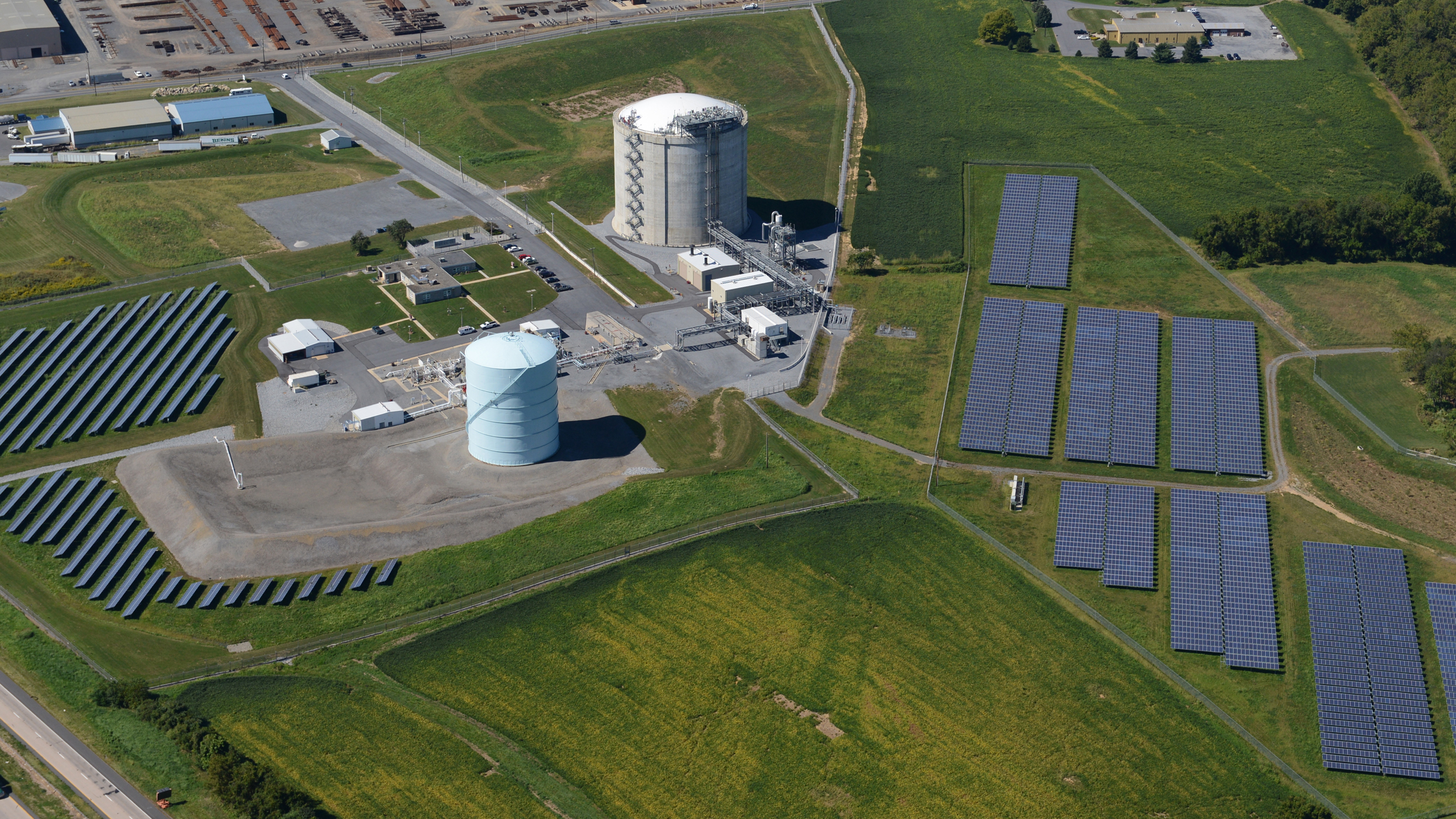
Solar panels surround a liquefied natural gas storage facility in Berks County, Pennsylvania, in 2013. Credit: Ryan McFadden/MediaNews Group/Reading Eagle via Getty Images

Solar panels surround a liquefied natural gas storage facility in Berks County, Pennsylvania, in 2013. Credit: Ryan McFadden/Reading Eagle 

The nonprofit PennFuture outlined ways for Pennsylvania to do so in a new report, accusing the state’s legislature of “policy inertia” for failing to pass bills that would increase adoption and reduce the cost of energy for consumers.

The advocacy group said a majority of state lawmakers favor a “more gas now” policy rather than enabling the development of increasingly cheap renewable energy and battery storage that would cut climate pollution. Among the measures that PennFuture suggested legislators support is allowing community solar, a way for renters and others who can’t install their own panels to tap into local solar arrays.

“Thoughtful solar policies can also facilitate development of PV [photovoltaic] panels on the countless rooftops of warehouses and distribution centers that populate the landscape,” the report said.

The report called on lawmakers to increase the share of renewable energy required by the state’s Alternative Energy Portfolio Standards, which currently mandate that some 18 percent of the electricity utilities distribute come from renewable sources. Neighboring New Jersey, by contrast, required utilities to source double that share last year and 50 percent by 2030.

David Hess, a former secretary of the state’s Department of Environmental Protection, said the Pennsylvania House, which has a slim Democratic majority, has passed many bills that would enable programs such as community solar, warehouse solar and expanding energy-efficiency programs at utilities.

But the bills have not become law because the Republican majority in the state Senate has opposed them, he said.

Read the full story here

_______________________________________________
Daily energy and environment updates
.
 Free 30-day subscription

Pennsylvania is a slouch in solar power. Here’s how it can catch up Read More »