
By Jeff Tittel in The Jersey Vindicator
A region vital to drinking water, open space, and local communities still awaits the full protections and funding promised under the Highlands Act
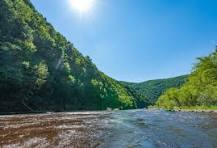
The Highlands region is one of the true gems of New Jersey, a landscape of beautiful mountains, deep forests, pristine streams, and clear lakes. The people who live there know how special their homes are. It is a place where you can hike, swim, boat, fish, hunt, ski, bird-watch, or simply enjoy nature. The region contains countless state parks, forests, wildlife management areas, county parks, and preserved open spaces. In many ways, the Highlands are New Jersey’s Yellowstone and Yosemite, a natural treasure that belongs to all of us. In fact, the Highlands receive more visitors each year than those two parks combined.
The New Jersey Highlands are more than a beautiful place to visit. They are the source of life-sustaining drinking water for nearly 6 million people. A North Jersey Water Supply Commission study in 2004 warned that continued overdevelopment in the Highlands could cost ratepayers as much as $50 billion in additional water treatment and infrastructure upgrades. The forests, wetlands, and streams of the region naturally filter and store water that supplies homes, farms, and major industries across the state. Protecting the Highlands is not just an environmental issue; it is a public health, economic, and quality-of-life issue for millions of residents.
As Dean Noll, chief engineer of the North Jersey District Water Supply Commission, explained at the time:
“It’s cheaper and easier to have clean, safe drinking water if the water going into the treatment plant is cleaner in the first place.”
That is why the Highlands Water Protection and Planning Act was one of the most important environmental laws ever adopted in New Jersey. The act was designed to protect drinking water, preserve forests and farms, prevent sprawl, and guide development to appropriate locations. It recognized that the 800,000-acre Highlands region serves the entire state, and that protecting this region was essential to our future.
Just as important, the law was built on a promise, a promise to the people and municipalities of the Highlands. The state pledged that it would provide the funding, planning assistance, and economic support needed to protect the region without unfairly burdening the towns that live there. The act was meant to balance environmental protection with fairness for local governments, landowners, and businesses.
Unfortunately, that promise has never been fully kept.