
Alyssa Atwood, an associate professor in the Earth, ocean and atmospheric science department at Florida State University, is there now, deploying sensors to monitor ocean heat and salinity, and to track the bleaching of its magnificent coral reefs.
Already, around Christmas Island, one of this nation’s 33 atolls and islands, the ocean surface temperature is 2 degrees Celsius, or 3.6 degrees Fahrenheit, warmer than usual for this time of year, compared with the previous 30 years. As much as 10 percent of the corcore-astterals appeared bleached in a series of dives over the past few days, Atwood said.
Related: El Niño one for the record books
Bleaching occurs when corals become so stressed that they lose the symbiotic algae they need to survive. Bleached corals can recover, but if the surrounding water stays too hot for too long, they die.
“We expect this to get worse and worse and worse until the end of this year,” she said. “This is just the tip of the iceberg.”
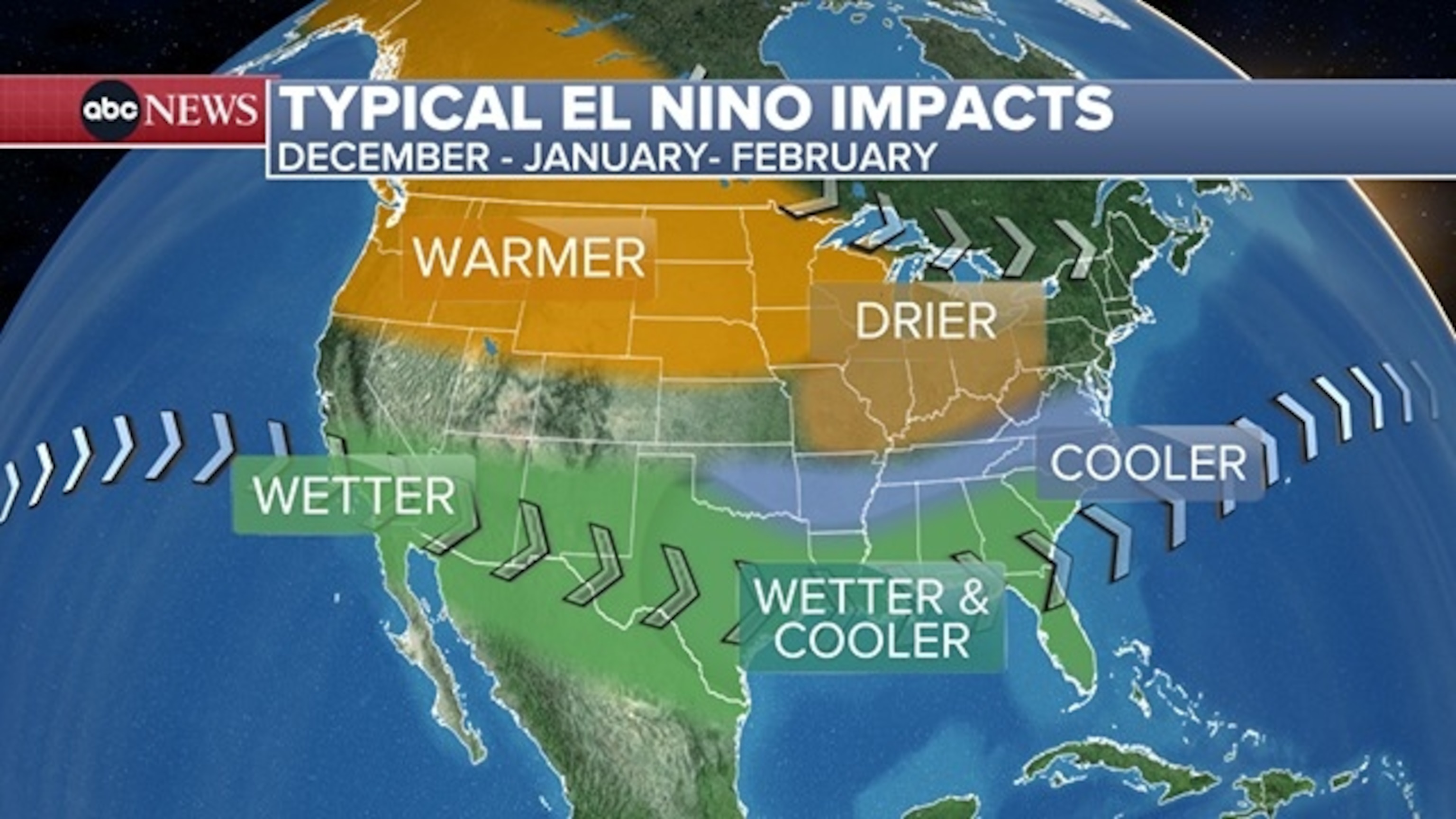
That’s because the El Niño event that’s underway is expected to be one of the strongest ever recorded, and it has not yet