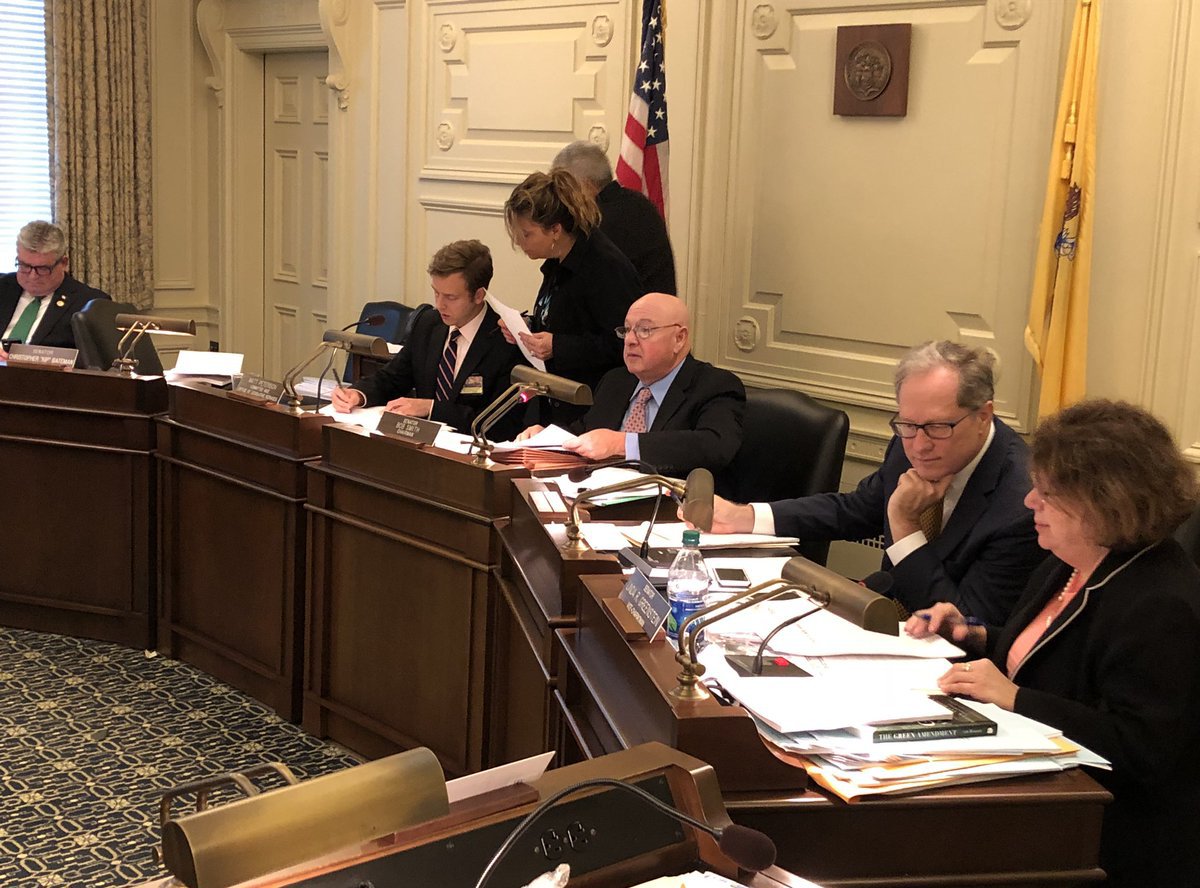
Justice Department says Cuomo fostered ‘sexually hostile’ workplace

The investigation “found that the executive chamber under former Gov. Andrew M. Cuomo … subjected female employees to a sexually hostile work environment”

Former New York Governor Andrew M. Cuomo

By Brendan J. Lyons, Times Union

ALBANY — The U.S. Justice Department on Friday announced it had reached an agreement with the New York governor’s office “to resolve the department’s claims that the executive chamber under former Gov. Andrew M. Cuomo engaged in a pattern or practice of sexual harassment and retaliation” in violation of civil rights laws.

The agreement memorializes reforms that were enacted by Gov. Kathy Hochul and also institutes additional reforms that federal prosecutors said are intended to prevent sexual harassment or retaliation in the executive chamber. The investigation by the U.S. attorney’s office had not been made public until the office announced the agreement on Friday.

But it’s unclear how thorough of an investigation the U.S. attorney’s office in Brooklyn conducted or whether the outcome relied largely on the report issued by the state attorney general’s office in August 2021. That report concluded Cuomo had sexually harassed or acted inappropriately with 11 women. That report also found that Cuomo and some of his top aides had cultivated a toxic workplace.

Read the full story here


If you liked this post, you’ll love our daily environmental newsletter, EnviroPolitics. It’s packed daily with the latest news, commentary, and legislative updates from New Jersey, Pennsylvania, New York, Delaware…and beyond. Don’t take our word for it, try it free for an entire month. No obligation.

Justice Department says Cuomo fostered ‘sexually hostile’ workplace Read More »

Vermont Senate won’t override veto of bottle bill expansion

The bottle bill expansion, which Gov. Phil Scott vetoed last summer, would have added more types of containers and raised the handling fee 

Green glass bottles
Boarding1Now via Getty Images


By Megan Quinn, Waste Dive

Vermont’s state Senate on Tuesday failed to override the governor’s veto of a bill that would have expanded the state’s container deposit program. 

The bill, which passed the state’s House and Senate last summer, would have included a wider range of containers in the program, raised the handling fee, expanded the number of redemption locations and established a producer responsibility organization, among other changes. 

Gov. Phil Scott vetoed the legislation back in June, saying he was an advocate for recycling but felt the changes proposed for the container deposit system were too labor intensive and “would move us backwards.” He called instead for investing in and improving “zero sort” recycling systems, a reference to single-stream recycling. 

Read the full story here


If you liked this post, you’ll love our daily environmental newsletter, EnviroPolitics. It’s packed daily with the latest news, commentary, and legislative updates from New Jersey, Pennsylvania, New York, Delaware…and beyond. Don’t take our word for it, try it free for an entire month. No obligation.

Vermont Senate won’t override veto of bottle bill expansion Read More »

Growing waste fire threats blamed on lithium-ion batteries

POSTED BY DEANNE TOTO, Waste Today | JANUARY 16, 2024

More than 5,000 fires occur annually at recycling facilities, according to estimates in a new report from the National Waste & Recycling Association (NWRA), Arlington, Virginia, and Resource Recycling Systems (RRS), Ann Arbor, Michigan.

Material recovery facilities (MRFs) increasingly experience catastrophic fires due to lithium-ion batteries erroneously placed in recyclables collected from households. As lithium-ion battery usage grows, so will the risk of fires, according to the organizations.

“RRS surveyed a large portion of the industry, from integrated service providers to standalone companies,” RRS Principal and Vice President Michael Timpane says. “What we found was that the reporting of fires depends on their severity, reporting requirements by the local response agencies, internal policies, and local management practices.

“We also found that most MRF managers were measuring their fire frequency locally, regardless of whether they were reported internally or externally, and were getting better at fire detection and vigilance in their facilities,” he said. “We were especially surprised that the number of fires per year was this high in the survey, though the majority of fires were small events.”

The report says the increased risk of MRF fires has driven up the cost of insuring these facilities. The rate of catastrophic losses has risen by 41 percent over the last five years, with insurance rates increasing from less than 20 cents per $100 insured property value to as much as $10 per $100 insured as providers realize the threat to MRFs from fires, members of the insurance industry say.

Read the full story here


If you liked this post, you’ll love our daily environmental newsletter, EnviroPolitics. It’s packed daily with the latest news, commentary, and legislative updates from New Jersey, Pennsylvania, New York, Delaware…and beyond. Don’t take our word for it, try it free for an entire month. No obligation.

Growing waste fire threats blamed on lithium-ion batteries Read More »

NY regulators: Spare that wood-burning fireplace

By Rosemary Misdary, Gothamist

As New York City and the state begin enforcing stringent new climate laws this year, the oldest form of heating – wood-burning – has been excluded from the regulations.

Fireplaces and wood stoves aren’t mentioned in the final rules that went into effect this month for the city’s Local Law 97, which forces buildings to cut their carbon emissions. They also were left out of the rules of the state’s Climate Leadership and Community Protection Act, or CLCPA, which are expected to be finalized this year.

Raya Salter, a member of the New York State Climate Action Council that helped craft the CLCPA, says that’s by design.

“Wood-burning for residential use is a massive source of emissions in New York state, and also to human health,” said Salter, the executive director of the Energy Justice Law and Policy Center.

“This is concentrated in the rural areas, largely upstate where it’s very cold, where folks are actually burning wood for primary and secondary heating,” she added. “But nobody’s banning wood-burning stoves because there’s a really important understanding that folks are using this because they need it because it’s cold.”

Read the full story here


If you liked this post, you’ll love our daily environmental newsletter, EnviroPolitics. It’s packed daily with the latest news, commentary, and legislative updates from New Jersey, Pennsylvania, New York, Delaware…and beyond. Don’t take our word for it, try it free for an entire month. No obligation.

NY regulators: Spare that wood-burning fireplace Read More »

Philadelphia’s new mayor urged to let small waste haulers dump at city-run sites to limit illegal disposal

By Sophia Schmidt, WHYY News

Last week, an advocacy group called Trash Academy launched a letter-writing campaign targeting Mayor Cherlle Parker and several council members, calling for city-run disposal centers to accept waste from small commercial haulers for an affordable fee.

“What we’re trying to do is give the small haulers somewhere that they can dump, without actually having to dump on our streets,” said Lois Williams, a leader of Trash Academy and member of HACE’s Neighborhood Advisory Subcommittee who lives in Philly’s Fairhill section.

The city’s six sanitation convenience centers currently accept waste only from residents — not commercial haulers. They also ban construction waste, which makes up a significant part of the items dumped in fast-developing neighborhoods.

Advocates say that legal, private disposal options are not cost-effective for small, independent commercial haulers — pushing them to dump the debris for free on vacant lots, curbs, street corners, and sidewalks.

Read the full story here


If you liked this post, you’ll love our daily environmental newsletter, EnviroPolitics. It’s packed daily with the latest news, commentary, and legislative updates from New Jersey, Pennsylvania, New York, Delaware…and beyond. Don’t take our word for it, try it free for an entire month. No obligation.

Philadelphia’s new mayor urged to let small waste haulers dump at city-run sites to limit illegal disposal Read More »