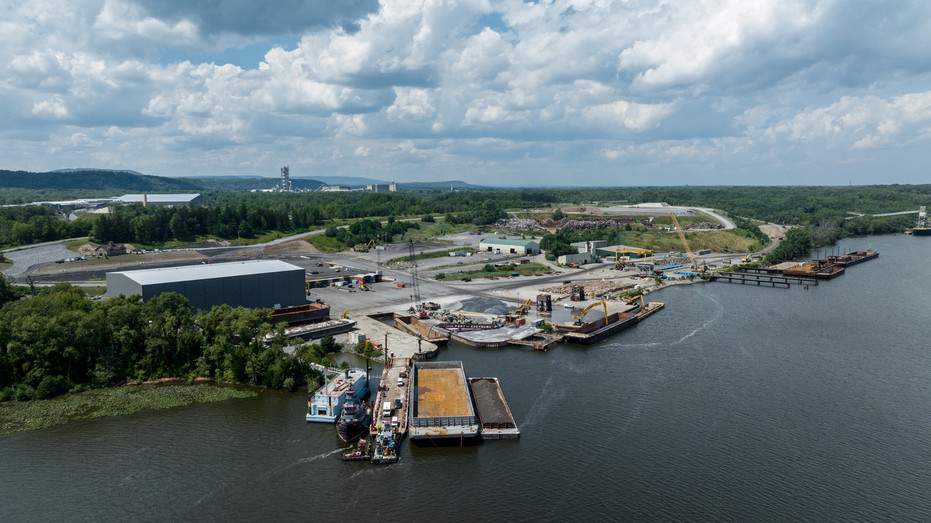
Governor urges EPA to cancel import of GenX waste to NC facility

North Carolina Gov. Roy Cooper expressed dismay over the agency’s initial approval to allow chemical company Chemours to import GenX waste from the Netherlands.

chemical storage bins

By HALEY RISCHAR, Waste Today | NOVEMBER 13, 2023

The U.S. Environmental Protection Agency may reconsider its October decision to allow for the import of waste containing GenX chemicals from the Netherlands to a Chemours facility in Fayetteville, North Carolina.

GenX is a member of the large group of manmade compounds known as per- and polyfluoroalkyl substances (PFAS). PFAS do not occur naturally in the environment and have broad uses in commercial products such as food packaging, nonstick coatings, and firefighting foam, according to the North Carolina Department of Health and Human Services.

Related PFAS news
EPA explains why it authorized GenX imports to Fayetteville

“EPA takes these concerns seriously and will review the notices that the company has provided to ensure the public remains safe. EPA has been informed that no shipments have taken place in 2023 and none are currently en route from the Netherlands to North Carolina,” the EPA says in a statement regarding the decision.

Read the full story here


If you liked this post, you’ll love our daily environmental newsletter, EnviroPolitics. It’s packed daily with the latest news, commentary, and legislative updates from New Jersey, Pennsylvania, New York, Delaware…and beyond. Don’t take our word for it, try it free for an entire month. No obligation.

Governor urges EPA to cancel import of GenX waste to NC facility Read More »

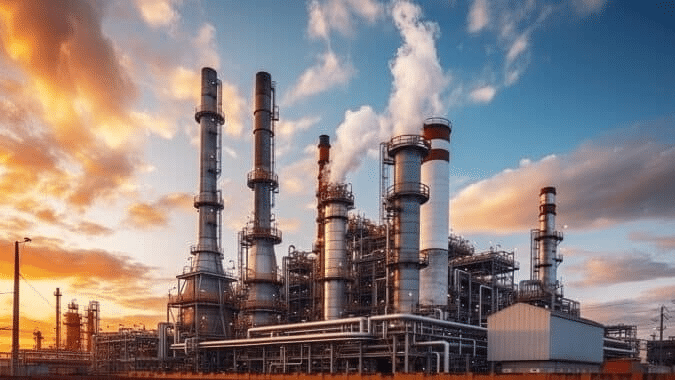
Environmental groups label Hudson River dredging a ‘failure’

The groups say PCB levels in the river show dredging was not as effective as the federal government predicted

Environmental groups say EPA figures show that General Electric’s dredging of the Hudson River to remove chemicals the company had dumped had not accomplished the goals of the cleanup. Times Union file photo

By Roger Hannigan Gilson, Times Union

FORT EDWARD — A coalition of environmental groups said Tuesday that the remedial dredging of the Hudson River by General Electric a decade ago to remove carcinogenic chemicals was not as effective as the federal government predicted when they ordered the cleanup.

The groups, which include Riverkeeper and the Mid-Atlantic Chapter of the Sierra Club, called the remediation a failure in a report that analyzed Environmental Protection Agency data about the current levels of polychlorinated biphenyls, or PCBs, in the river.

General Electric dumped 1.2 million pounds of the carcinogenic industrial chemical into the Hudson River from 1947 to 1977 near its facilities north of Albany. These “forever chemicals” do not naturally break down. GE entered into a consent decree with the federal government to dredge the river bottom north of Troy, a project the company completed in 2015.

Read the full story here


If you liked this post, you’ll love our daily environmental newsletter, EnviroPolitics. It’s packed daily with the latest news, commentary, and legislative updates from New Jersey, Pennsylvania, New York, Delaware…and beyond. Don’t take our word for it, try it free for an entire month. No obligation.
Environmental groups label Hudson River dredging a ‘failure’ Read More »

The NJ Legislature is back! Senate enviro committee meets 11/20

New Jersey Senate Environment and Energy Committee (file photo)

After a ‘summer recess’ stretching back to early July, NJ lawmakers are back in Trenton for a lame-duck session running through early January 2024.

One of the first scheduled committees to meet is the:

Senate Environment and Energy
10:00 AM, November 20,2023
Committee Room 6, 1st Floor, State House Annex, Trenton, NJ

Agenda

S2978 – Revises State renewable energy portfolio standards.

S3258 – Appropriates $28,670,924 in 2003 and 1992 bond act monies for loans for dam restoration and repair projects and inland waters projects.

S3863 – Establishes program, in DEP, for acquisition of development easements on privately-owned woodlands.

S3909 – Establishes conditions for net metering for authorized food waste recycling facilities.

S3928 – Authorizes State Treasurer to appoint Garden State Preservation Trust acting executive director under certain conditions.

 S3996 – Directs DEP to establish a leasing program for State-owned land to be used and managed as pollinator habitat.

A2810 – Directs DEP to establish a leasing program for State-owned land to be used and managed as pollinator habitat.

S3992 – Requires electric public utilities to develop and implement grid modernization plans; appropriates $300 million.


If you liked this post, you’ll love our daily environmental newsletter, EnviroPolitics. It’s packed daily with the latest news, commentary, and legislative updates from New Jersey, Pennsylvania, New York, Delaware…and beyond. Don’t take our word for it, try it free for an entire month. No obligation.

The NJ Legislature is back! Senate enviro committee meets 11/20 Read More »

New Jersey town looks to stop plan that would bring in 900 daily tons of construction debris

https://img.particlenews.com/image.php?url=01rW6F_0pdP2rca00

By Marsha A. Stoltz, NorthJersey.com

OAKLAND — The borough is asking residents to get behind its efforts to oppose a Class B recycling facility proposed for West Oakland Avenue, “a short distance from homes, Potash Lake and the Ramapo River.”

The facility, if approved, would be able to bring in and process up to 900 tons of concrete, brick, asphalt, and topsoil per day.

Residents are being asked to sign a petition to oppose “Oakland Materials, LLC’s application to the BCUA because of quality of life impacts such as noise, dust, odors and truck traffic as well as potential pollution, including groundwater contamination of a sole source aquifer that provides drinking water to Oakland residents.”

The petition, as of Friday had 2,089 signatures, with a goal of 2,500.

The borough was granted a 60-day extension to produce comment

Read the full story here


If you liked this post, you’ll love our daily environmental newsletter, EnviroPolitics. It’s packed daily with the latest news, commentary, and legislative updates from New Jersey, Pennsylvania, New York, Delaware…and beyond. Don’t take our word for it, try it free for an entire month. No obligation.

New Jersey town looks to stop plan that would bring in 900 daily tons of construction debris Read More »

New Jersey’s plan to reduce food waste by a dramatic 50 percent


By Frank Brill, EnviroPolitics Editor

In 2017, NJ Gov. Phil Murphy signed the Food Waste Reduction Act into law, establishing a goal to reduce the amount of food waste generated in the state by 50% by the year 2030 (the 50×30 Goal)d.

The law directs the New Jersey Department of Environmental Protection (DEP) to develop a plan to guide the state toward achieving this goal.

Now, the Food Waste Reduction Plan has been published on the DEP’s website at https://www.nj.gov/dep/dshw/food-waste/food_waste_reduction_plan.html.

The 52-page document quantifies the amount of food waste generated in 2017 and sets forth actions the state intends to take to achieve the 50×30 Goal. The plan also includes a brief toolkit for food waste-generating sectors to take additional actions that support this goal.

New Jersey mirrors the federal government’s food-reduction goal

In 2017, NJ Gov. Phil Murphy signed the Food Waste Reduction Act into law, establishing a goal to reduce the amount of food waste generated in the state by 50% by the year 2030 (the 50×30 Goal). The U.S. Department of Agriculture (USDA) and the Environmental Protection Agency (EPA) announced this goal on September 16, 2015, making it the first-ever domestic goal to reduce food loss and waste.

The EPA estimates that 30 to 40 percent of the food supply in the U.S. is never eaten, wasting the resources used to produce it and creating many environmental impacts.

In addition to New Jersey, several states have implemented specific legislation to tackle the problem of food waste. These include tax incentives, liability protection for donations, and food waste bansSome states have passed laws that restrict the amount of food waste going to landfills, such as California, Connecticut, Massachusetts, New York, Rhode Island, and Vermont 


Facts about food waste

Top 15 states generating the most food waste by tonnage annually

RankStateAnnual Food Waste (Tons)
1California6,000,000
2Texas4,600,000
3Florida2,800,000
4New York2,700,000
5Pennsylvania2,500,000
6Illinois2,400,000
7Ohio2,300,000
8Michigan2,200,000
9North Carolina2,100,000
10Georgia2,000,000
11Virginia1,900,000
12New Jersey1,800,000
13Tennessee1,700,000
14Indiana1,600,000
15Arizona1,500,000


If you liked this post, you’ll love our daily environmental newsletter, EnviroPolitics. It’s packed daily with the latest news, commentary, and legislative updates from New Jersey, Pennsylvania, New York, Delaware…and beyond. Don’t take our word for it, try it free for an entire month. No obligation.

New Jersey’s plan to reduce food waste by a dramatic 50 percent Read More »

Why bank emissions numbers are so rosy


By Alastair Marsh, Bloomberg

On the surface, Deutsche Bank AGCitigroup Inc., and Mizuho Financial Group Inc. all appear to be delivering on their promises to cut carbon emissions.

The three banks (along with most of their peers) have committed to eliminating financed emissions—the greenhouse gas pollution enabled by their lending and investing—starting with the most carbon-intensive areas of their balance sheets. And in sustainability reports published this year, all three banks said those numbers had come down—in some cases significantly.

Yet if you read the footnotes, one would discover that their emissions have fallen in large part due to technical factors outside of their control. 

Just last month, Deutsche Bank reported that emissions associated with its lending to oil and gas companies—the primary perpetrators of global warming—declined 29% from the prior year. As a result, the bank is much closer to its 2030 target for reducing financed emissions from the sector.

How did this happen? The war in Ukraine may have played a part. The German lender said the reduction was “predominantly explained” by three factors, the biggest of which being a decrease in the size of its loan books after ending relationships with Russian clients. But additional factors were changes in exchange rates and the increasing market value of its fossil-fuel clients.

Read the full story here


If you liked this post, you’ll love our daily environmental newsletter, EnviroPolitics. It’s packed daily with the latest news, commentary, and legislative updates from New Jersey, Pennsylvania, New York, Delaware…and beyond. Don’t take our word for it, try it free for an entire month. No obligation.

Why bank emissions numbers are so rosy Read More »