 |
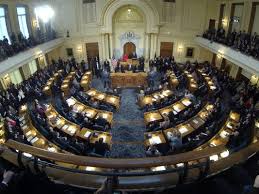
| New Jersey State Assembly Chamber |
The New Jersey Senate and Assembly raced to give final approval to hundreds of bills on Tuesday. The current legislative session will wraps up business on Wednesday.
Both houses will reorganize for a new, two-year session on the same day and then meet in a joint session to receive Gov. Chris Christie’s final State of the State address. Christie’s term expires on January 16.
Among the bills that cleared the voting deadline, and were sent on to Governor Chris Christie for his approval or veto, were the following environment and energy measures:
A-261 McKeon, J.F. (D-27); Spencer, L.G. (D-29);
Kennedy, J.J. (D-22)
Prohibits installation and sale of wheel weights
containing lead or mercury; prohibits sale of new motor vehicles equipped with
wheel weights containing lead or mercury.
Jan 8, 2018 – Signed by the Governor: PL257
A-1954 Coughlin, C.J. (D-19); Benson, D.R. (D-14);
Spencer, L.G. (D-29)
Makes changes to funding provisions for financial
assistance and grants from Hazardous Discharge Site Remediation Fund.
Jan 8, 2018 – Passed
by the Assembly (71-0)
Jan 8, 2018 – Passed by both Houses (Sent to the Governor)
A-2082 Mukherji, R. (D-33); Pintor Marin, E. (D-29)
Requires OAL to maintain Internet database summarizing all State rule-making actions.
Jan 8, 2018 – Signed by the Governor: PL262
A-3295 McKeon, J.F. (D-27); Benson, D.R. (D-14);
Kennedy, J.J. (D-22)
Concerns low emission and zero emission vehicles;
establishes Clean Vehicle Task Force.
Jan 8, 2018 – Passed by the Assembly
(50-17)
Jan 8, 2018 – Passed by both Houses
(Sent to the Governor)
S-848 Stack, B.P. (D-33); Oroho, S.V. (R-24)
Requires certain State oversight of budgets of regional
sewerage authorities.
Jan 8, 2018 – Passed by the Assembly
(50-12)
Jan 8, 2018 – Passed by both Houses
(Sent to the Governor)
S-1986 Cruz-Perez, N. (D-5); Cunningham, S.B.
(D-31); Eustace, T. (D-38)
Establishes “Milkweed for Monarchs” program.
Jan 8, 2018 – Signed by the Governor:
PL252
S-2276 Smith, B. (D-17); Bateman, C. (R-16);
DeAngelo, W.P. (D-14)
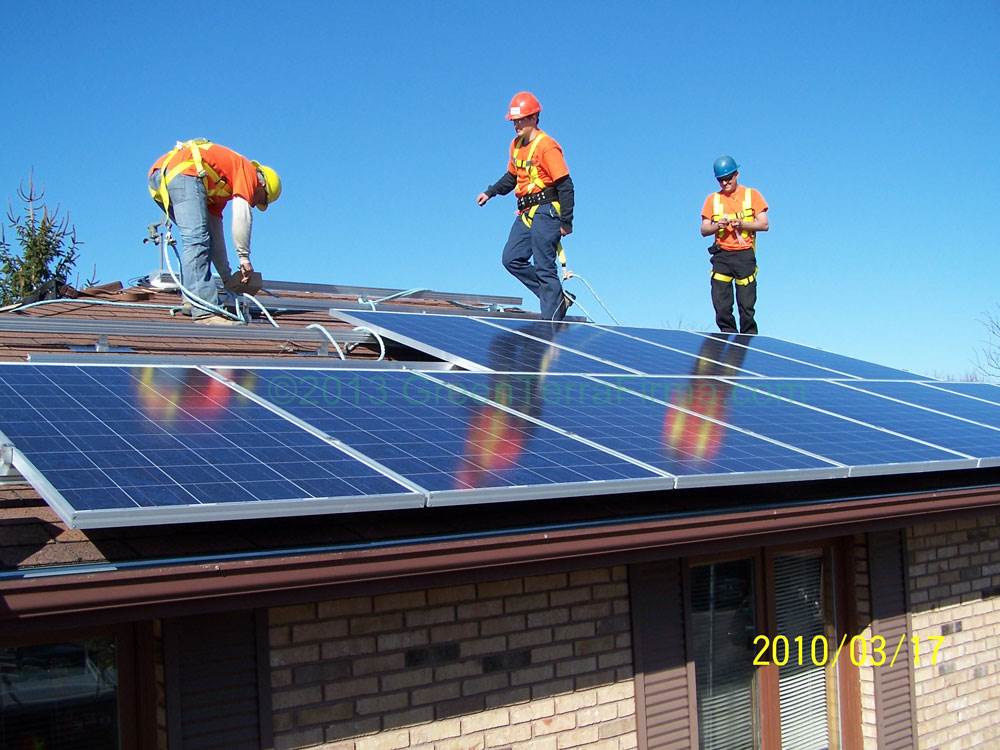
Modifies State’s solar renewable energy portfolio
standards.
Jan 8, 2018 – Passed by the Senate
(26-8)
Jan 8, 2018 – Passed by both Houses
(Sent to the Governor)
S-2389 Bucco, A.M. (R-25); Oroho, S.V. (R-24)
Establishes Lake Hopatcong Fund and dedicates $500,000
annually from certain power vessel operator license fees to the fund.
Jan 8, 2018 – Passed by the Assembly
(68-0)
Jan 8, 2018 – Passed by both Houses
(Sent to the Governor)
S-2872 Pou, N. (D-35); Bell, C. (D-2); Van Drew, J.
(D-1)
Provides certain incentives to qualified businesses in
Garden State Growth Zones; creates Garden State Growth Zone at Atlantic City
International Airport and surrounding area.
Jan 8, 2018 – Passed by the Assembly
(64-5)
Jan 8, 2018 – Passed by both Houses
(Sent to the Governor)
A-4540 Muoio, E.M. (D-15); Eustace, T. (D-38);
Kennedy, J.J. (D-22)
Requires municipal land use plan element of master plan
to address smart growth, storm resiliency, and environmental sustainability
issues.
Jan 8, 2018 – Signed by the Governor:
PL275
A-4786 Taliaferro, A.J. (D-3); Mazzeo, V. (D-2);
Pintor Marin, E. (D-29)
Streamlines authorization for farmers market programs
to participate in WIC and Supplemental Nutrition Assistance Program.
Jan 8, 2018 – Signed by the Governor:
PL278
A-4787 Andrzejczak, B. (D-1); Houghtaling, E.
(D-11)
Authorizes alternate members for farmers on State
Agriculture Development Committee.
Jan 8, 2018 – Passed by the Senate
(35-0)
Jan 8, 2018 – Received in Assembly
without reference
Jan 8, 2018 – 2nd reading Assembly, concurrence w/amendments
Jan 8, 2018 – Passed by the Assembly
(66-0)
Jan 8, 2018 – Passed by both Houses
(Sent to the Governor)
A-4814 Rooney, K.J. (R-40); Johnson, G.M. (D-37);
Schaer, G.S. (D-36)
Prohibits investment of pension and annuity funds by
State in entities that avoid Superfund obligations to State.
Jan 8, 2018 – Passed by the Assembly
(69-0)
Jan 8, 2018 – Received in the Senate
without reference
Jan 8, 2018 – 2nd reading in Senate
Jan 8, 2018 – Substituted for another
bill: S3487
Jan 8, 2018 – Passed by the Senate
(33-0)
Jan 8, 2018 – Passed by both Houses
(Sent to the Governor)
A-4846 Houghtaling, E. (D-11); Taliaferro, A.J.
(D-3)
Revises and expands laws on trespass and vandalism on
agricultural/horticultural lands.
Jan 8, 2018 – Passed by the Senate
(36-0)
Jan 8, 2018 – Received in Assembly
without reference
Jan 8, 2018 – 2nd reading Assembly concurrence w/amendments
Jan 8, 2018 – Passed by the Assembly
(67-0)
Jan 8, 2018 – Passed by both Houses
(Sent to the Governor)
S-3521 Gordon, R.M. (D-38); Oroho, S.V. (R-24)
Allows expanded use of recycled asphalt pavement.
Related Bill: A-5194
Jan 8, 2018 – Passed by the Assembly
(70-0)
Jan 8, 2018 – Passed by both Houses
(Sent to the Governor)
S-3538 Greenstein, L.R. (D-14); Codey, R.J. (D-27)
Amends list of environmental infrastructure projects
approved for long-term funding for Fiscal Year 2018 to include new projects and revise
allowable loan amounts for already approved projects.
Jan 8, 2018 – Passed by the Assembly
(68-0)
Jan 8, 2018 – Passed by both Houses
(Sent to the Governor)
S-3539 Smith, B. (D-17); Codey, R.J. (D-27)
Authorizes NJ Environmental Infrastructure Trust to
expend additional sums to make loans for environmental infrastructure projects
for FY2018; allocates funds from Local Aid Infrastructure Fund for operating
and administrative expenses for transportation
Jan 8, 2018 – Passed by the Assembly
(66-0)
Jan 8, 2018 – Received by the Senate
Jan 8, 2018 – 2nd reading Senate
to concur w/amendments
Jan 8, 2018 – Passed by the Senate
(37-0)
Jan 8, 2018 – Passed by both Houses
(Sent to the Governor)
SCR-163 Smith, B. (D-17); Bateman, C. (R-16);
Greenstein, L.R. (D-14)
Invalidates certain DEP rules and regulations
concerning septic system density standards in Highlands Water Protection and
Planning Act Rules.
Jan 8, 2018 – Passed by the Senate
(21-16)
Jan 8, 2018 – Received in Assembly
without reference
Jan 8, 2018 – 2nd reading in Assembly
Jan 8, 2018 – Substituted for another
bill: ACR255
Jan 8, 2018 – Passed by the Assembly
(41-25)