
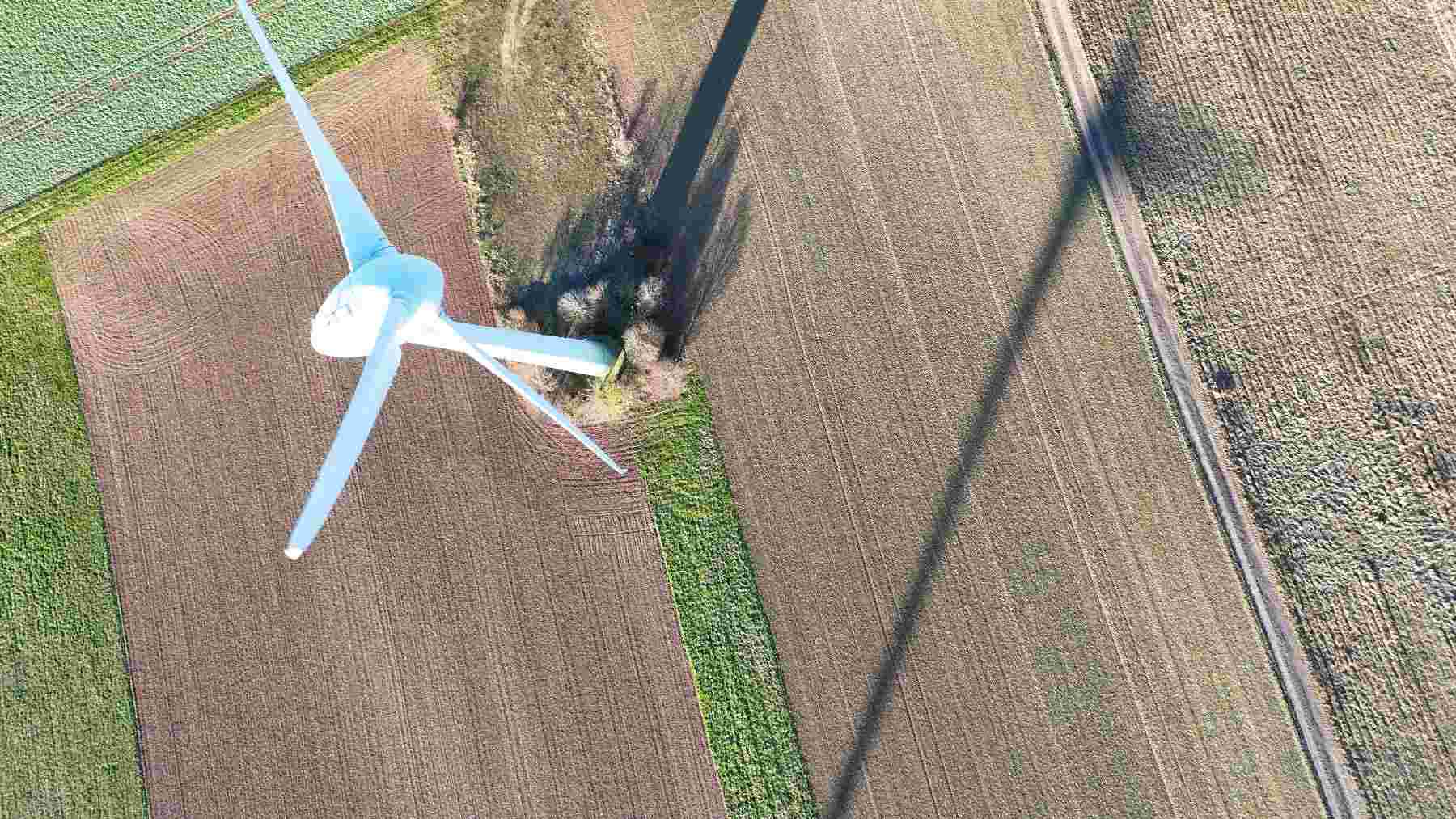
A modern wind turbine is a machine under constant negotiation with the atmosphere. Its blades flex and twist through thousands of load cycles every hour, its controller adjusts pitch and torque in real time, and the forces rippling through its tower and drivetrain shift with every gust. Capturing all of that in a physics-based simulation is possible — but expensive, slow, and ill-suited to the rapid design exploration that the wind industry increasingly demands.
A new machine-learning framework may be starting to change that calculus.
The simulation bottleneck holding wind energy back
Aeroelastic simulations are the backbone of modern turbine engineering. They model how a rotor blade bends, twists, and vibrates under real wind loads — information that’s essential for structural certification, fatigue analysis, and control system design. Without them, engineers can’t know whether a turbine will survive 20 years of continuous operation.
Relevant inputs here include wind speed, turbulence intensity, pitch angle, and other operational parameters that define the turbine’s environment and state.
Speed is the problem. Each high-fidelity simulation run in tools like HAWC2 carries a significant computational cost, and design optimization doesn’t require one run — it requires thousands, sweeping across wind speeds, turbulence levels, and operating conditions to map out the full performance landscape. That kind of exhaustive search quickly becomes impractical.
The result is a familiar engineering tension: tools that capture physical reality most faithfully are too slow for rapid iteration, while faster methods sacrifice accuracy. The wind industry needs something in between — a lighter tool that still respects the physics.
Daily energy and environment updates. Free 30-day subscription