
Gary Kim, formerly a junior officer with U.S. Navy construction units in Asia, detailed the painful conditions and skilled labor shortages at shipyards around the world
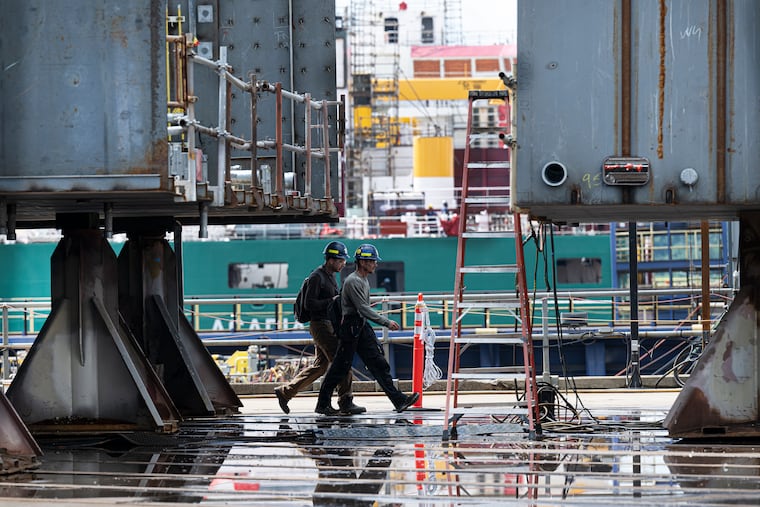
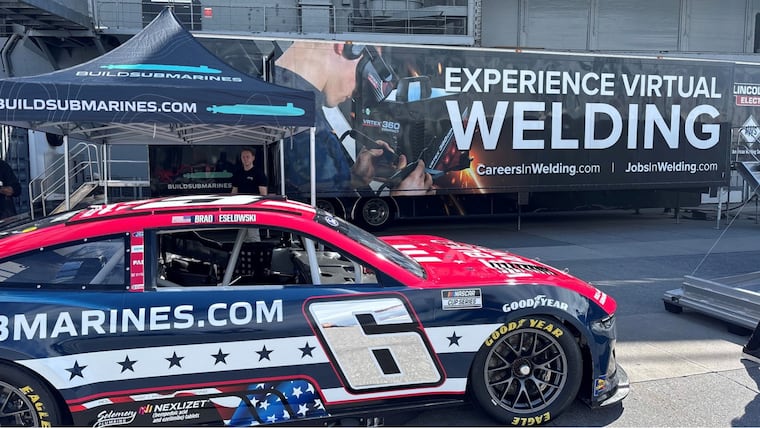
The U.S. government is spending over a billion dollars to recruit hundreds of thousands of workers it estimates will be needed in Philadelphia and other shipbuilding centers to expand the Navy and compete with lower-cost Chinese yards, as President Donald Trump proposes. The campaign includes “Build Submarines” ads on social media and SEPTA bus shelters and grants to training programs.
“You have to work the parents,” Michael Cadenazzi, assistant secretary of war for industrial base policy, told contractors assembled by Trump and U.S. Sen. Dave McCormick (R., Pa.) at the U.S. Army War College in Carlisle in July. “Mom and Dad need to understand their kid is succeeding,” even if they skip college for “AI-proof jobs” as “the wizards behind the warriors — shipfitters, welders, pipe fitters.”
If would-be college students prove a tough sell, there’s an even larger population of American workers who have what it takes to build ships but don’t want to, said Gary Kim, a Wharton School graduate student who has studied U.S., Chinese, Japanese, and Korean shipyards.
In essays for the U.S. Naval Institute and a series of papers titled The Brutal Realities of Building Ships, Kim, formerly a junior officer with U.S. Navy construction units in Asia and a Detroit manufacturing manager, has detailed rough conditions and skilled-labor shortages and suggested what shipyards have to do to realistically fill those jobs.
____________________________________________________
Daily energy and environment updates. Free 30-day subscription