
Advocates say Maryland lawmakers passed energy proposals, including one on nuclear subsidies, without adequate analysis or public debate during the 2026 session.
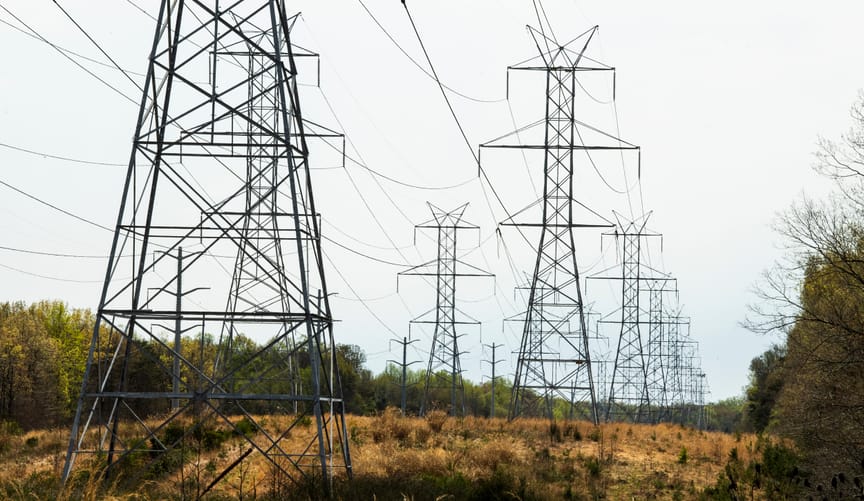
By Aman Azar, Canary Media
Maryland lawmakers’ new solution for rising utility bills reduces a surcharge funding an effective energy-efficiency program, offers rebates by raiding the state’s clean energy fund, and includes subsidies for nuclear power that advocates say may prove costly over time.
Passed in the final minutes of this year’s session, the Utility RELIEF Act also puts a one-year moratorium on forecasted ratemaking, in which utilities charge customers based on projected infrastructure investments rather than actual spending.
The federal government loomed large over the session. The Trump administration is rolling back regulatory protections from industrial pollution and attacking clean energy projects such as offshore wind, which states like Maryland were banking on to meet emission-reduction goals. Gov. Wes Moore was under pressure to both patch a gaping budgetary hole fueled in part by huge federal layoffs and to assist ratepayers, who are reeling from high energy prices driven by data center growth.
Moore has until May 13 to sign or veto the bill. But early in the session, the governor, along with Democratic leaders in the House and Senate, presented the energy legislation as the best way forward. They say it will lead to more energy generation in the state, increase utility oversight, and save Maryland families at least $150 per year on their energy bills.
Stop missing out. Get your free, 30-day EnviroPolitics newsletter trial.