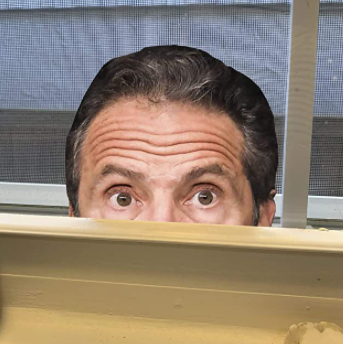
NJ Gov. Murphy nominates Matt Platkin as attorney general, amid plaudits and (some) doubt

New AG has been warmly welcomed by the social-justice community and other reform contingents and former colleagues, but the shadow of a bungled sexual assault case lingers

By TAYLOR JUNG  NJ Spotlight

Matt Platkin

When Gov. Phil Murphy formally introduced former Chief Counsel Matt Platkin as his next pick for attorney general Thursday, he stressed twice that Platkin would be the “people’s lawyer” — not the governor’s lawyer.

Those not knowing Murphy and Platkin’s history might think this phrasing was just the governor’s way of defining the attorney general’s role for New Jerseyans. But it also could be seen as a way to put some distance between the two, given their amicable yet complicated ties.

Platkin has been working with Murphy since 2016 when he joined Murphy’s nonprofit and then his gubernatorial campaign. He would eventually become Murphy’s chief counsel in the administration, until he left his post in September 2020 to join a North Jersey law firm. He played an important role, helping craft important legal actions for Murphy, like his executive orders during the height of the COVID-19 pandemic.

As Platkin steps into his new role, questions remain over how closely he will hew to the path of his predecessor Gurbir Grewal. Grewal left behind a prolific legacy in June 2021, setting new guidelines and tracking police use of force, establishing guidance on marijuana decriminalization, and tackling gun reform.

Looming over Platkin’s nomination, however, is his involvement in a Murphy campaign scandal, when former campaign aide Katie Brennan accused colleague Al Alvarez of sexual assault in 2017. Platkin testified to lawmakers in 2019 that he thought he couldn’t report the issue to Murphy because of confidentiality guidelines. A 2019 report from the New Jersey Select Oversight Committee, a legislative panel that investigated the Murphy administration’s later hiring of Alvarez, found that the administration “seriously mishandled” Brennan’s claim, saying that Platkin also misunderstood a recommendation from the attorney general’s office to investigate.

Can Platkin move on?

Platkin has received a warm welcome from what seems to be a large swath of the New Jersey political world. But the biggest questions remain to be answered: Will Platkin make strides as an attorney general — just as he has been able to work with Murphy on key policies — and will he be able to move away from his handling of sexual assault allegations?
Click to read the full story

NJ Gov. Murphy nominates Matt Platkin as attorney general, amid plaudits and (some) doubt Read More »

Advocates say climate policy must focus on Black and brown communities

Because climate change harms communities of color, the League of Conservation Voters says it has broadened its legislative agenda

By TAYLOR JUNG  NJ Spotlight

As the climate crisis continues, more and more research demonstrates that Black and brown communities across the country and in New Jersey are bearing the burden of its disastrous effects — more flooding, increased air pollution, and higher instances of health issues.

And if the devastation that Hoboken, Jersey City, and Elizabeth residents experienced from the remnants of Tropical Storm Ida was any indication, the worst is yet to come.

Because of that disproportionate impact, the League of Conservation Voters took a new approach this year when it came to making public its legislative agenda.

The group put nonwhite and low-income New Jerseyans at the center of its policy recommendations and worked alongside 25 organizations like the Latino Action Network and the New Jersey State Conference of the NAACP. On Wednesday, the league released its legislative agenda, designed to build climate resilience for New Jersey, while mitigating climate change damage for Black and brown communities and stimulating the economy. The group creates a blueprint for its legislative priorities every two years, and one for the governor every four.

“Systemic racism is very real, and it’s in our environmental policies,” said Ed Potosnak, executive director of the League of Conservation Voters.

“And (helping low-income families and communities of color) means being antiracist and looking at everything that we’re doing to make sure that it makes the conditions better … for communities of color, for families and businesses living and working in New Jersey,” he added.

The league is taking a more aggressive approach with its legislative priorities, calling for 100% clean electricity by 2035. It previously said this should be achieved by 2050 when the group revealed its policy recommendations for the governor four years ago. But the organization says that the need to reduce greenhouse-gas emissions and switch to cleaner energy is urgent because Black and brown New Jerseyans are living the realities of climate change and that the state must focus on these “overburdened communities.” State law defines these communities as census block groups with residents who are low-income or nonwhite or have limited proficiency in English.

Click to read the full story

If you liked this post you’ll love our daily newsletter, EnviroPolitics. It’s packed with the latest news, commentary, and legislative updates from New Jersey, Pennsylvania, New York, Delaware…and beyond. Don’t take our word for it, try it free for an entire month. No obligation.

Advocates say climate policy must focus on Black and brown communities Read More »

Townhall meeting on controversial waste transfer station in Pleasantville, NJ is postponed again

Waste Transfer
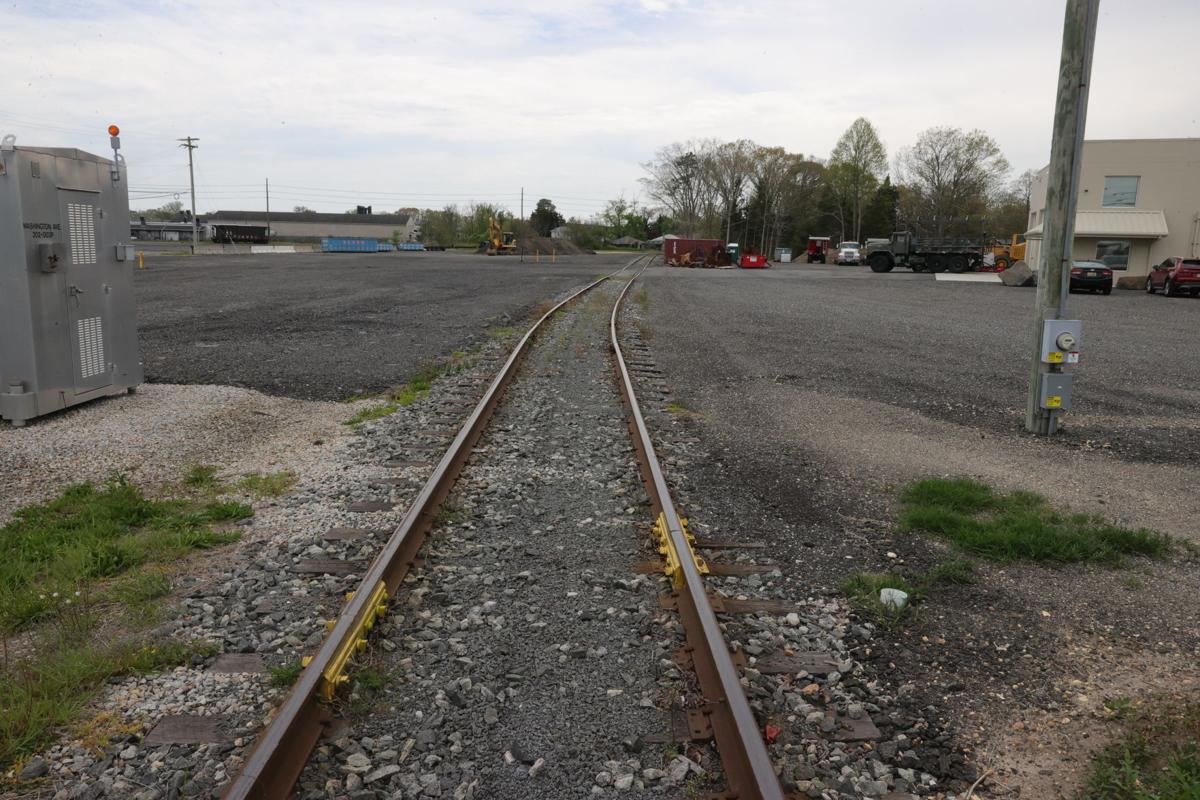
A construction debris trash transfer station is proposed off Washington Avenue in Pleasantville. The Atlantic County Utilities Authority says it would result in increased tipping fees for non-commercial trash. Edward Lea photo

By Christopher Doyle Press of Atlantic City

PLEASANTVILLE — Residents looking for a forum to discuss a proposed debris-waste transfer station will, yet again, have to wait for a later date.

Organizers have chosen to further postpone a town hall meeting on the subject, citing a high volume of COVID-19 cases in the region. A new date has not been announced.

Don’t miss environmental news like this Click for updates

The town hall had been scheduled for Wednesday at Mount Zion Baptist Church, after being pushed back from Jan. 19. COVID-19 was cited as the reason then as well.

COVID-19 cases have been declining in the region as the holiday surge of the omicron variant wanes. Atlantic County reported three new COVID-19 cases and one new death in Pleasantville on Wednesday. On Jan. 19, the date the town hall originally was supposed to be held, the county reported 30 new cases in Pleasantville. 

The event is being advertised on the website for the “Stop the Dump” movement, a campaign being spearheaded by the Atlantic County Utilities Authority. The website says the event has been postponed and tells visitors to await updates, as does a Facebook page where the event was to be live-streamed.

Related:
UPDATE: Community meeting Wednesday night on controversial trash facility postponed

Click to read the full story

Townhall meeting on controversial waste transfer station in Pleasantville, NJ is postponed again Read More »

NY environmental justice leaders propose new definition for ‘disadvantaged communities’

Gary Hershorn/Getty Images

Emily Pontecorvo Grist

In 2019, New York State passed a historic law to cut greenhouse gas emissions from every part of its economy. But for some, the most significant part of the legislation was its focus on environmental justice and equity. The law, titled the Climate Leadership and Community Protection Act, required that 35 to 40 percent of future benefits of state investments in clean energy, energy efficiency, housing, workforce development, transportation, and pollution reductions would have to serve “disadvantaged communities.”

That provision was modeled on a similar program in California and later became the template for a national goal called “Justice40,” which President Joe Biden announced when he took office a year ago. But New York — and the federal government, for that matter — can’t be held accountable for that promise until it clears up how the benefits of investments will be measured, and pins down what, exactly, a disadvantaged community is. 

While New York state officials worked to clarify the benefits question, a new Climate Justice Working Group, made up of leaders of environmental justice and community organizations from around the state, was tasked with deciding on the criteria to identify disadvantaged communities. After 18 months of deliberation, they have finally arrived at some answers.

In December, Chris Coll, director of the energy affordability and equity program at the New York State Energy Research and Development Authority, informed the Climate Justice Working Group how state agencies have decided to measure benefits. The announcement, which was made during the final working group meeting of the year, confirmed what many in the climate justice community had been hoping for: While agencies will keep track of any nonmonetary benefits from climate-related investments, they will only count direct investments — the actual dollar amounts of climate-related spending — toward compliance with the 35 to 40 percent goal. 

Click here to read the full story

NY environmental justice leaders propose new definition for ‘disadvantaged communities’ Read More »