Water utility Suez North America said Sept. 2 it plans to spend more than $600 million over four years on new mains, treatment plant improvements and other projects across northern New Jersey.
The total includes $135 million in spending slated for 2020 on 170 projects in 68 municipalities.
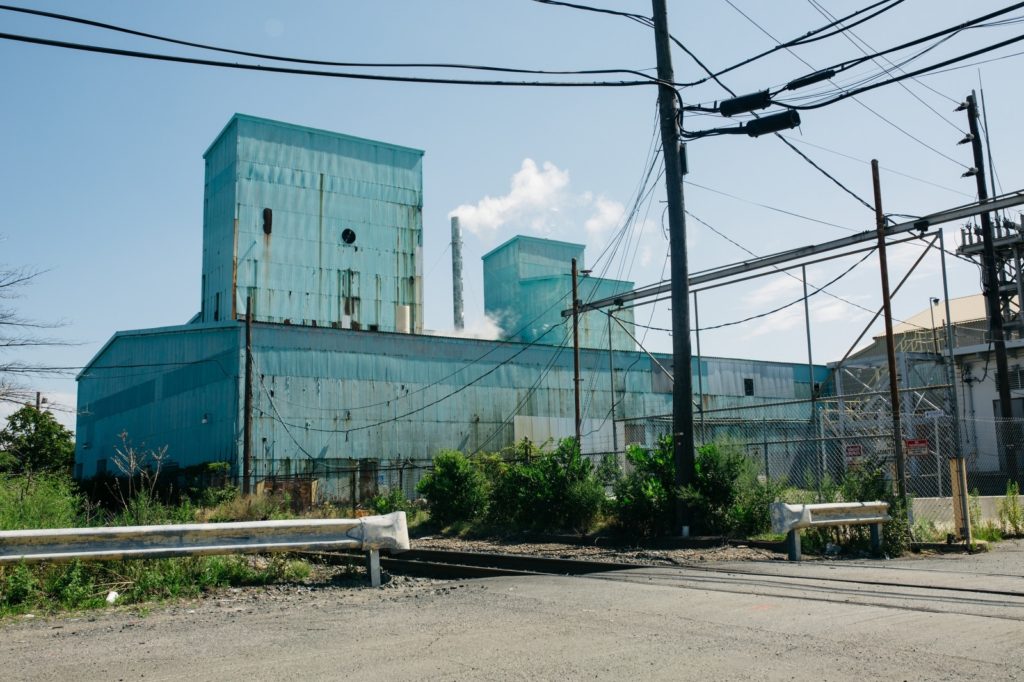
Twelve new environmental enforcement actions have been filed targeting polluters across New Jersey whose actions threaten the health and safety of residents in minority and lower-income communities in Newark, Orange, South Orange, Paterson, Jersey City, Elizabeth, Hillside, Fairton and Upper Deerfield Township, according to Attorney General Gurbir S. Grewal.
These lawsuits are a part an agenda to address harms disproportionately affecting the public and environmental health of New Jersey’s low-income, non-English speaking and minority residents. They come as New Jersey residents confront the COVID-19 pandemic, an unprecedented public health crisis that has unduly burdened these communities.
“In New Jersey, we’re committed to our path-breaking approach to environmental enforcement, which ensures that our efforts to clean up our environment will also serve our comprehensive justice agenda for low-income communities and communities of color, said Grewal.
“Today’s twelve lawsuits, filed in cities and towns across our state, are a reflection of that commitment to environmental justice principles. The scourge of COVID-19 has put a harsh spotlight on the way environmental injustices affect our basic health, and we’re going to do the hard work necessary to protect communities from dumping, contamination and other illegal activities.”
“The message to New Jersey residents should be clear: everyone, and I really mean everyone, deserves to breathe clean air and live in a safe environment,” Grewal said.
Many of the properties that are the subject of today’s complaints have pollutants known to contribute to health problems including respiratory tract irritation, chronically reduced lung function, kidney problems, neurological disorders and certain cancers, which may only exacerbate COVID-19 risks.
Since the announcement of the State’s environmental justice initiative in 2018, Grewal and Department of Environmental Protection Commissioner McCabe have filed numerous lawsuits, making New Jersey a national leader in environmental justice enforcement.
“The actions the DEP is taking today exemplify the Murphy Administration’s deep commitment to principles of environmental justice and equity that strengthen all of our communities, especially those most vulnerable to environmental harm, said McCabe.
“Together, we are holding accountable those who, by design or circumstance, disproportionately harm the environment and communities of our low-income and minority neighbors. Today’s lawsuits complement the many ways that we pursue environmental justice, standing with every New Jersey community and for the shared natural resources that unite us.”
The complaints seek to address a host of environmental threats across the state in low-income and minority communities, and are brought under:
New Jersey’s Spill Compensation and Control Act
Water Pollution Control Act
Air Pollution Control Act
Solid Waste Management Act
Industrial Site Recovery Act
Brownfield and Contaminated Site Remediation Act
The 12 cases involve a broad range of harmful contamination including such hazardous substances as arsenic, copper, lead, petroleum hydrocarbons, gasoline, waste motor oil, polychlorinated biphenyls (PCBs), oxides of nitrogen (NOx), volatile organic compounds, including trichloroethylene (TCE) and perchloroethylene (PCE), and semi-volatile organic compounds, officials said.
The complaints seek a variety of remedies, including clean-up of contaminated properties and compliance with all outstanding DEP orders, payment of damages and penalties, reimbursement to the State for clean-up costs expended to date and, in certain instances, natural resource damages.
“Pitching is what makes me happy,” he told Sports Illustrated in 1972. “I’ve devoted my life to it. I live my life around the four days between starts. It determines what I eat, when I go to bed, what I do when I’m awake. It determines how I spend my life when I’m not pitching.”
Tom Seaver pitches against the Baltimore Orioles in the 1969 World Series. (AP)
By Matt SchudelWashington Post September 2, 2020 at 8:49 p.m.
Tom Seaver, a Hall of Fame pitcher and the hero of New York’s Miracle Mets, who led his once-hapless team from the National League basement to an improbable World Series championship in 1969, died Aug. 31 at age 75.
The National Baseball Hall of Fame announced his death, noting that the causes were Lewy body dementia and covid-19, the disease caused by the novel coronavirus. The statement did not say where he died. Mr. Seaver and his family announced in 2019 that he was withdrawing from public life because of advancing dementia.
From the time he came to New York in 1967 as a 22-year-old rookie, Mr. Seaver began to transform a team that had been known as an inept group of lovable losers since the franchise began five years earlier.
Enduring another defeat, the team’s first manager, Casey Stengel, memorably quipped, “Can’t anybody here play this game?”
New York Mets pitcher Tom Seaver in 1968. (AP)
The clean-cut Mr. Seaver, who had been to college and served in the Marine Corps, brought an orderly sense of purpose to his pitching and to the Mets organization.
In high school, the 5-foot-9, 160-pound Mr. Seaver learned to pitch with finesse, precision and determination. Only later, after he grew four inches and gained 40 pounds, did he have the ability to throw the blazing, pinpoint-accurate fastball that made him one of the most dominant pitchers of his era.
He is generally ranked among the 10 best pitchers in history by baseball historians. “There is a good argument,” noted the sport’s statistical guru Bill James, “that Tom Seaver is the greatest pitcher of all time.”
Tom Seaver, right, waves his cap at the 1999 All-Star Game at Boston’s Fenway Park, alongside Hall of Fame pitchers, from left, Bob Gibson, Juan Marichal and Robin Roberts. (Charles Krupa/AP)
Pitchers are among the most single-minded of athletes, and few were as devoted to their craft as Mr. Seaver. He always wore a long-sleeve shirt at the beach to keep his arm from being sunburned. When petting a dog, he used his left hand, not his right, or throwing, hand. He brought an intellectual approach to pitching that often led sportswriters to describe him as an artist on the mound.
We’re always looking for stories that might interest our readers. If you come across something so interesting that it cries out to be shared, please send it to editor@enviropolitics.com If we agree, you’ll see it here soon.
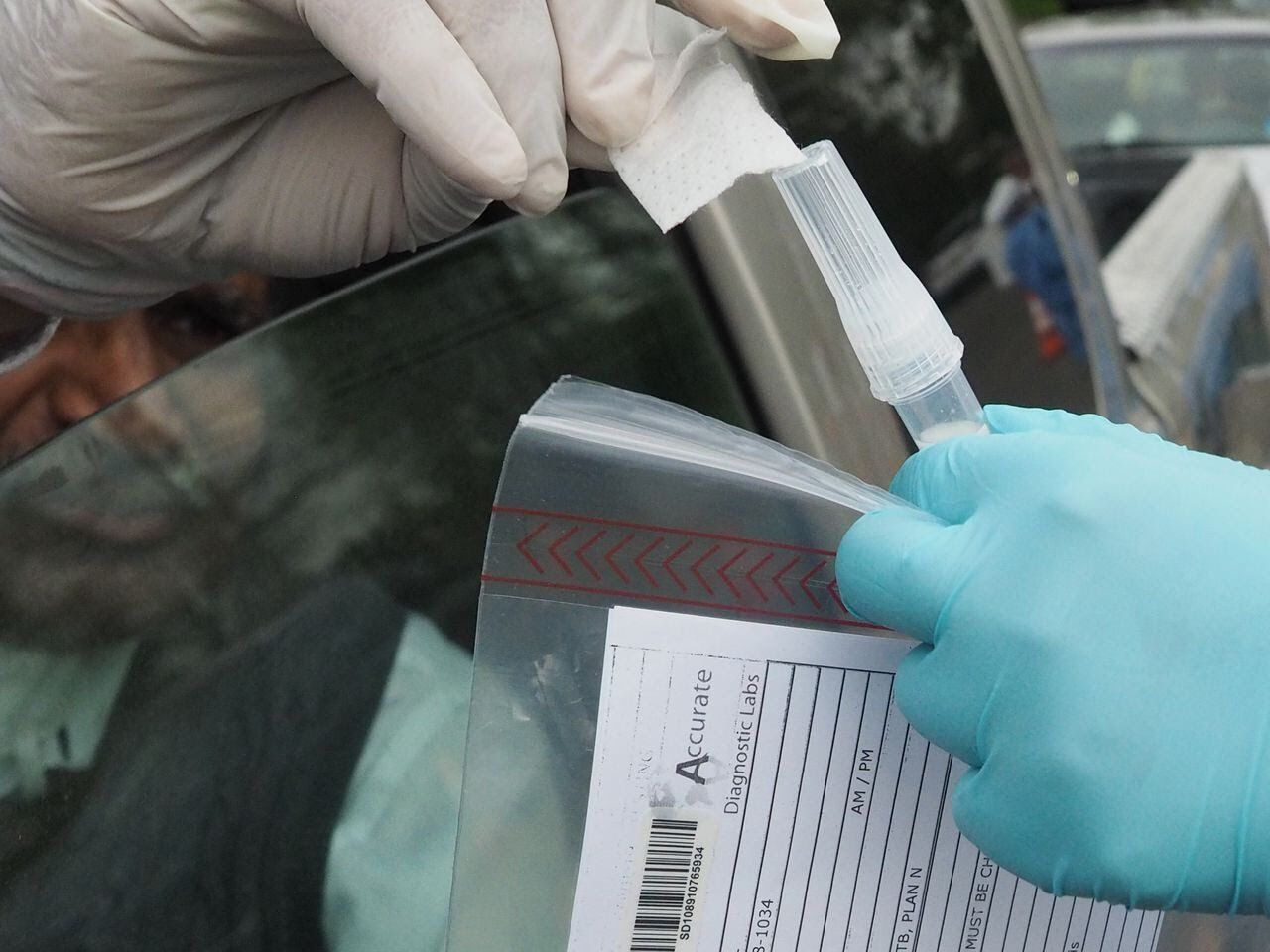
With the state in the middle of what Gov. Phil Murphy called “a big week” for reopening steps, New Jersey on Wednesday reported 11 more deaths attributed to the coronavirus and 329 new cases.
Meanwhile, the state’s rate of transmission increased for the fifth straight day but remained below a key benchmark measuring how the virus is spreading.
And hospitalizations related to COVID-19 topped 500 for the first time in 18 days.
Murphy announced the figures during his latest coronavirus briefing in Trenton as the state is kicking off a new school year “unlike any other.”
The governor announced 434 districts will start, many next week, with a hybrid model or in-person and remote learning, 68 will start with all in-person classes, 242 start all-remote, and 22 will start with “some combination of all-of-the-above,” Murphy said.
In addition, indoor dining, movie theaters, and indoor performing arts venues in New Jersey will be permitted to reopen with restrictions starting Friday. That’s after Gyms were allowed to reopen to limited indoor capacity Tuesday.
“This virus is not done with us yet, not by a long shot,” Murphy said. “But today we can say that New Jersey is one of the safest states in the nation.”
Still, the governor cautioned, “our numbers continue to be moving around — I would say sideways.”
Report comes after huge increase in the deficit this year as government attempted to limits coronavirus fallout
By Jeff Stein, The Washington Post
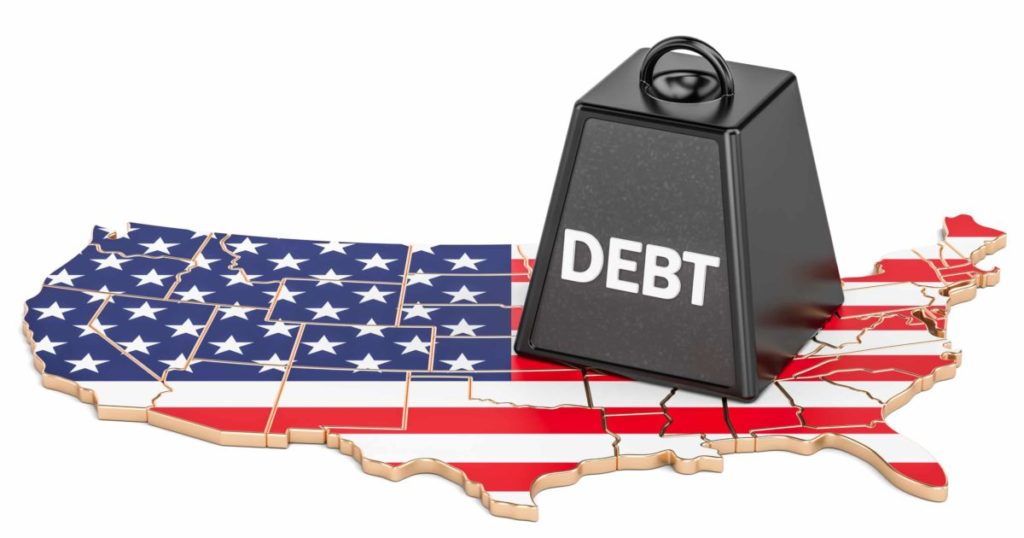
The amount of debt held by the U.S. government will roughly equal the size of the entire American economy, as the nation’s fiscal imbalance surges in response to the coronavirus pandemic, the nonpartisan Congressional Budget Office said on Wednesday.
By the end of 2020, the amount of debt owed by the U.S. will amount to 98 percent of the nation’s Gross Domestic Product, the highest level since the end of World War II, the CBO said. Total government debt will surpass the U.S. economy’s size next year, CBO said.
Fueling this rise is a big jump in the government’s annual budget deficit, which is projected to widen to $3.3 trillion by the end of this fiscal year, more than tripling since 2019. The deficit was already on track to be very elevated because of recent tax cuts and spending increases, but the government’s response to the pandemic changed things markedly.
Already 20 states are suing. Now Sierra Club and tribal groups challenge move that could let them block pipelines
Tom Johnson reports for NJ Spotlight
The Trump administration is facing a new lawsuit challenging a rule that hampers state and tribal efforts to block unwanted fossil-fuel projects — specifically, those that could adversely impair water quality within their jurisdictions.
The lawsuit, filed in a federal appeals court in northern California, is the latest seeking to block the rule adopted by the federal Environmental Protection Agency this summer. In July, New Jersey and 19 other states filed a challenge to the agency rule, saying it unlawfully prevents the state from preventing its waters from being polluted.
In New Jersey and elsewhere, the rule narrows the authority of states to impose conditions for approving energy infrastructure projects under Section 401 of the federal Clean Water Act. The provision has prevented New York and other states from blocking pipeline projects they concluded would impair water quality, denying certification for the projects to move forward.
Best chance to block PennEast
Opponents of the PennEast pipline, one of the most controversial pipeline projects pending in New Jersey, view the Section 401 process as perhaps their best tool for blocking the $1 billion, 120-mile project that begins in Pennsylvania and ends in Mercer County.
In the latest litigation on the issue, Earthjustice, the group representing a handful of tribes in the west, and the Sierra Club argue many of the same issues raised by the 20 states in their challenge to the rule, but with a focus on tribal lands in western states.
In its 28-page brief, the parties argued the new rule strips away a crucial tool that the tribes and states had used to protect waters within their jurisdiction, with the aim of prioritizing “environmentally ruinous’’ fossil-fuel infrastructure.
The EPA admitted its primary motivation in proposing and finalizing the rule is a desire to facilitate the construction of fossil-fuel infrastructure, according to the brief. “This purpose is entirely divorced from Congress’ intent in passing Section 401 and the CWA,” it says.
If you liked this post you’ll love our daily newsletter, EnviroPolitics.It’s packed with the latest news, commentary and legislative updates from New Jersey, Pennsylvania, New York, Delaware…and beyond. Don’t take our word for it, try it free for an entire month. No obligation.