
By Haley Jones, Seafood Source,
The Woods Hole, Massachusetts, U.S.A.-based Woods Hole Oceanographic Institution (WHOI) released a new study finding that industrial-scale fishing has removed “substantial biomass from the ocean’s twilight zone” for several decades, casting doubt on the claim that this ecosystem remains unexploited.
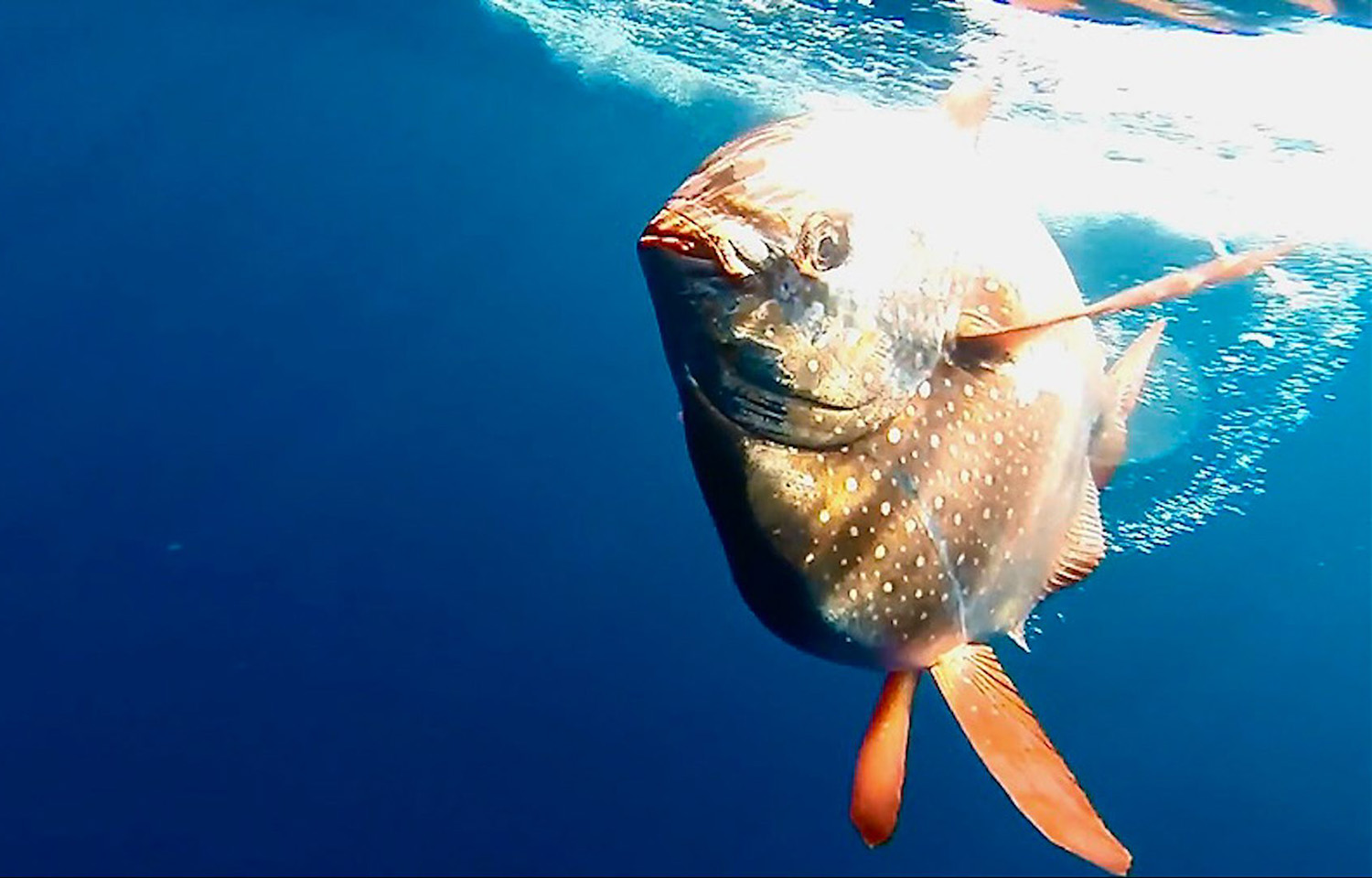
The study, titled “Hidden in Plain Sight: Decades of Industrial-Scale Fishing in the Ocean’s Twilight Zone,” focuses on the “dark web” species, which WHOI refers to as “a poorly understood group of large midwater fishes” such as pomfrets and snake mackerels. These organisms that live in the mesopelagic zone, which is about 1,000-2,000 meters below the surface, remain largely uncovered in scientific studies and are regularly caught by commercial fisheries, according to the release.
Editor’s Note: This is just one of dozens of stories enjoyed today by subscribers to our newsletter, EnviroPolitics. Try it for free for 30 days
“Much of the discussion around the ocean twilight zone has assumed large-scale fishing there has not really begun,” Martin Arostegui, lead author of the study and research associate at WHOI, said. “Our study shows that for these larger midwater fishes, that is simply not the case.”
In the release, the researchers suggest improved catch reporting and a better integration of these species into fisheries management frameworks. With improved data and coordinated policy action for mesopelagic zone fish, those working in fisheries could better understand these species beyond just commercial catch.